Northwest Florida Area Agency on Aging, Inc
The Northwest Florida Area Agency on Aging, Inc. is a private non-profit corporation funded by the Federal Older Americans Act and State General Revenue through the Florida Department of Elder Affairs (DOEA), serving senior residents 60 years old and older of Escambia, Santa Rosa, Okaloosa, and Walton Counties.
Programs & Services






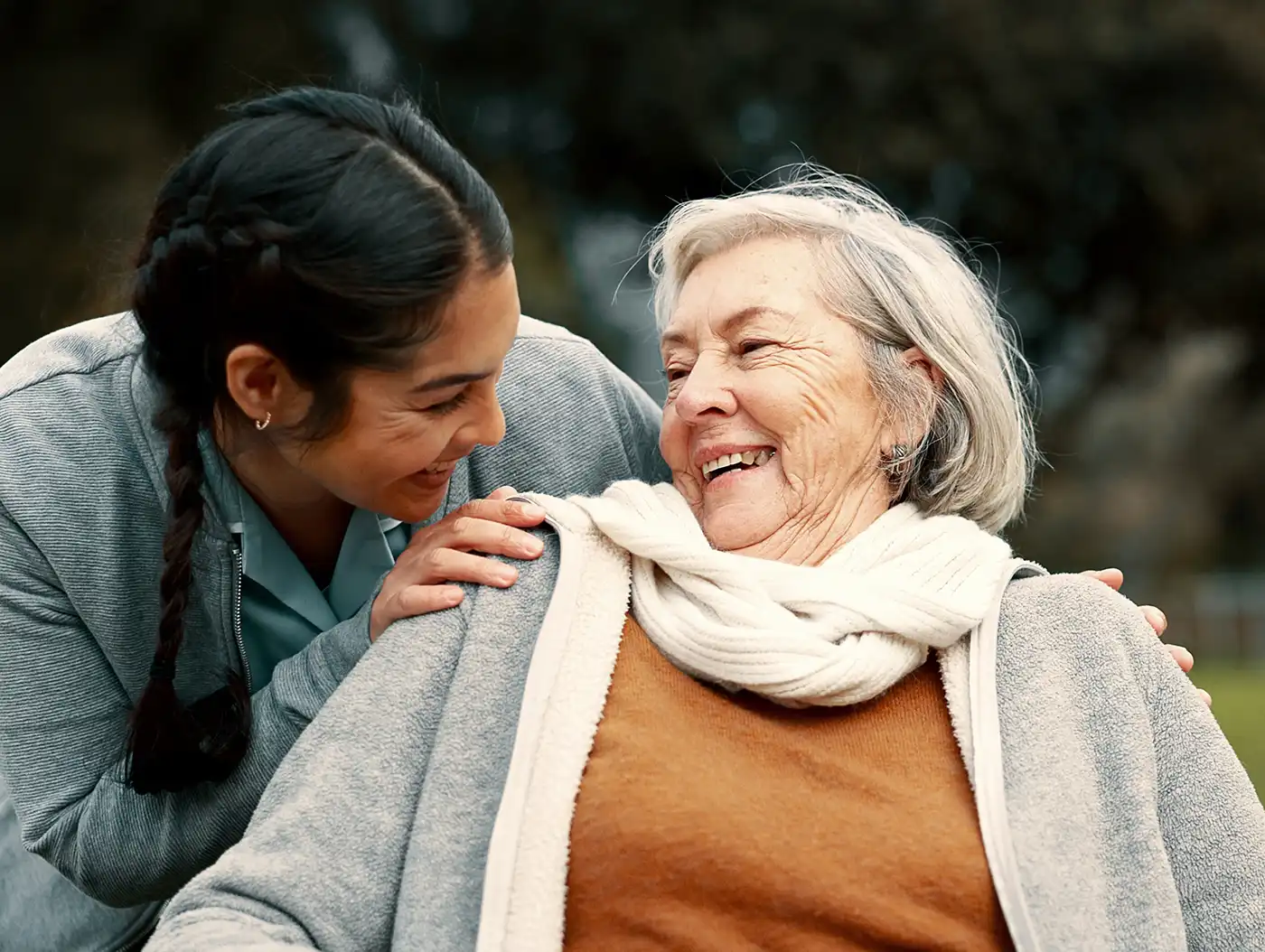
Serving Escambia, Santa Rosa, Okaloosa, & Walton Counties
News & Events
Board of Directors’ Meetings
May 28, 2026
Quarterly Board meetings will be held at the NWFLAAA Conference Room at 6 PM.
Learn More


Call the Elder Helpline Today!
Your First Stop for Information
Local 850.494.7100 | Toll-Free 866.531.8011
Our Partners
The Northwest Florida Area Agency on Aging, Inc., Aging and Disability Resource Center is not a direct provider of health or social services but rather the administrative agency for our area. The Agency collaborates with community-based service providers in the planning, coordination, development and evaluation of programs and services currently available for those residents who are 60 years old and older. The Aging and Disability Resource Center provides information and referral services to the aging population and well as persons with developmental disabilities.